.webp)
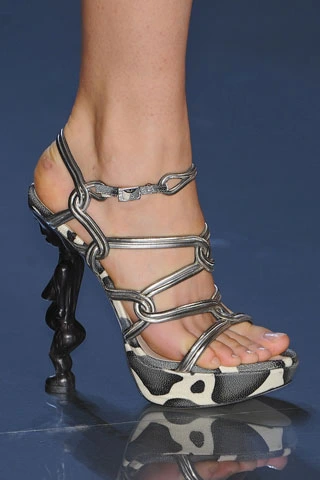
Luxury is a sociological phenomenon of consumption with very particular characteristics. It is a state of mind and a way of living.
Clients have wealth and/or power, and they value extreme quality, beauty, rarity, exclusivity, creativity, culture, and anything that makes them feel special. They purchase out of desire, with the aim of experiencing moments of intense happiness.
In his book Luxe Oblige, French professor and luxury brand strategy expert Jean-Noël Kapferer wrote:
Luxury consumption emerges from the desire to elevate the ego, in two dimensions: for ourselves and in the eyes of others.
A luxury object or experience, even if fleeting, is a parenthesis of beauty, a refined experience that elevates our lives.
Luxury is therefore an elevated phenomenon, carrying a symbolic and intangible dimension that is as important as, if not more important than, its visible and tangible aspects.
It is timeless; it does not follow trends—which are ephemeral by nature—but it evolves alongside society.
Milestones in the History of Luxury
Luxury and its market have always faced challenges that have shaped it over time.
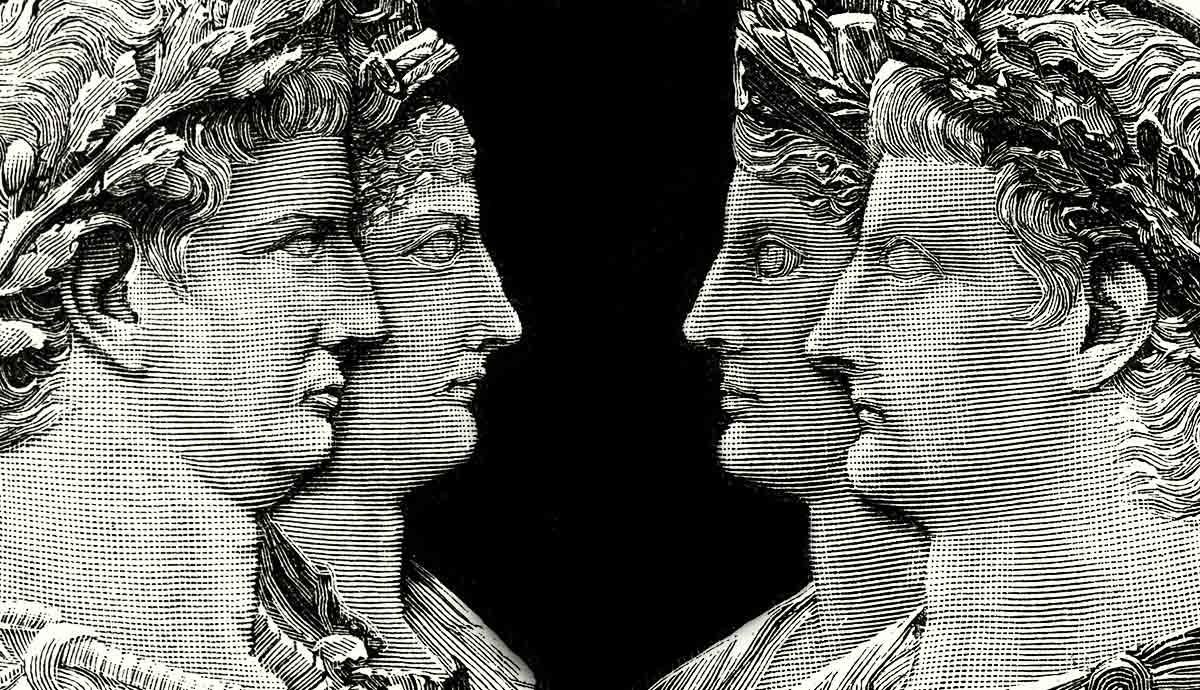
From the Roman Empire in 27 BC, when a lifestyle of excessive extravagance was practised,
to the time of the Crusades in the 11th and 12th centuries, when Sumptuary Laws were introduced to protect the hierarchical interests of the upper classes by restricting the consumption habits of lower classes, preventing them from imitating the powerful classes.
Then during the Renaissance, particularly in the 15th and 16th centuries, the Italian courts have promoted grandeur.
Later, in 17th-century France, at the court of the Sun King, Louis XIV, luxury flourished and became a vehicle for ostentatious lifestyles.
During the Enlightenment period in the 18th century, luxury moved from the exclusivity of the court to the city, taking on aristocratic influence and becoming a symbol of elegance, refinement and beauty.
In the 19th century, it underwent another transformation, influenced by the arts, reducing ostentation, adopting greater sobriety, while remaining exclusive to elites and upper classes.
From the 1980s onwards, in the 20th century, the industry underwent restructuring, as many brands faced financial difficulties and were acquired by economic groups that began promoting luxury to the middle classes, democratising access in order to rapidly recover investment.
The New Challenges for Luxury Brands
Luxury brands enter the 21st century facing three major challenges.
Digital Revolution and New Technologies
In today’s world, technological development is rapid and constant. It has a transformative impact across all sectors of the economy, and the luxury market is no exception.
E-commerce, blockchain, social media, the metaverse, NFTs, virtual reality, augmented reality, artificial intelligence and robotics are among the technologies that have brought disruption, uncertainty and opportunity to the luxury business.
The major challenge of digitalisation in luxury began around 2010. After an initial period of resistance, brands refined their digital presence and are now overcoming that challenge.
However, new technologies continue to evolve and never cease to surprise.
This challenge will be ongoing, with the next phase being the integration of artificial intelligence into operations and client relationships.
Sustainability
The major challenge of sustainability emerged in luxury about 2012 and kept growing ever since.
Previously, brands operated within a culture of excess and waste, with little concern for sustainability.
In 2009, when I studied Luxury Management in Madrid, I recall some lecturers tentatively addressing this issue, suggesting it would likely gain relevance in the future. A decade and a half later, some brands are doing serious work in this area, while others engage in greenwashing merely to satisfy clients and society.
A genuine commitment to sustainability is essential. Given the scarcity of rare resources and the growth in luxury consumption, it is untenable—and morally questionable—for luxury brands to continue operating within a logic of waste.
This helps explain the rise of pre-loved luxury—the purchase of second-hand luxury goods.
Democratisation
In the 21st century, there has been a boom in democratised luxury aimed at emerging middle classes seeking social affirmation.
‘New money’ has become the new deity of luxury brands.
There is an obsession with continuous growth and emerging markets. Product and service quality have often been neglected; brand messaging has shifted from subtle, cultured and symbolic to more obvious and accessible, with excessive focus on younger consumer profiles. In recent years, there has been a crude erosion of the codes, values and rules that have traditionally defined true luxury.
Across almost all luxury product and service categories, sales and financial results are declining in brands that have over-democratised access. Interestingly, they remain stable or even grow among brands that have resisted this dilution.
I believe that in the coming years we will witness a clearer divide between two forms of luxury: true luxury—discreet, sophisticated and highly exclusive, aimed at clients with refined taste—and, on the other hand, ostentatious, more commoditised luxury aimed at aspirational consumers.
I have recently read respected experts referring to the emergence of a new concept that also resonates with me: “de-consumption”—consuming less but better and encouraging the repair of high-quality luxury products.
This represents a shift in mindset and lifestyle that will take many years to unfold.
Society will continue to evolve, and challenges will always exist in the life of luxury brands.
And, I believe luxury brands will rise to meet these challenges, just like they have always met throughout the centuries.



.webp)